Study shows that soil is an effective anti-depressant!
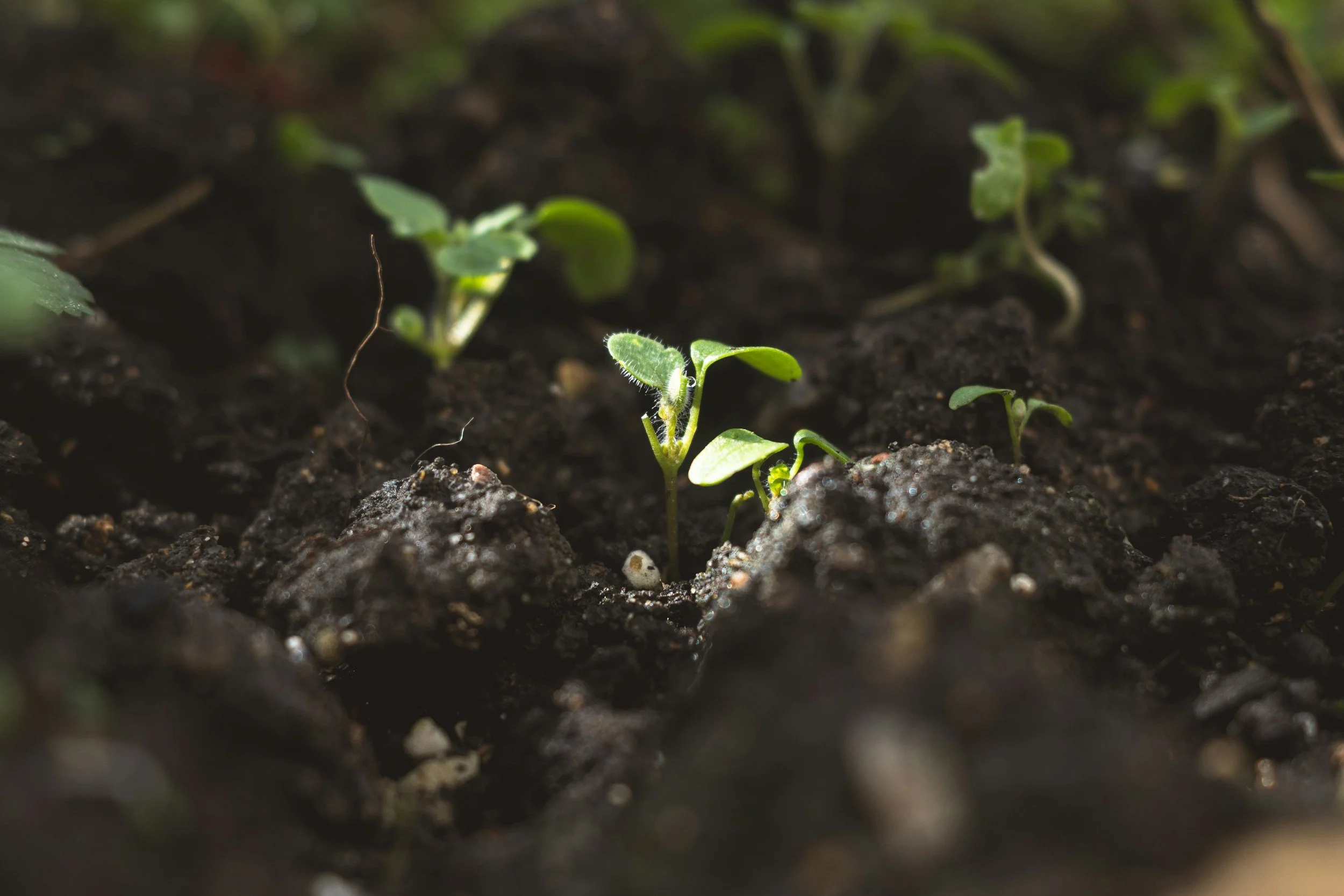
Working with soil has been proven to reduce levels of depression and anxiety. The science behind this phenomenon goes even deeper than finding a sense of purpose, as soil has unique properties that impact human cognition. Here’s how soil works as an anti-depressant, often compared to Prozac:
Mycobacterium Vaccae
Mycobacterium vaccae is found in soil and is responsible for stimulating the production of serotonin, a hormone that mitigates stress. This means that simply by existing in the vicinity of soil, such as by taking a nature walk, a person can influence the part of their brain that controls mood. Hands-on activities like gardening, which allow you to get your hands dirty, allow M. vaccae to absorb directly into the skin, leading for more profound effects.
There have been many studies regarding the significance of human reactions to this bacteria and its positive impact on human nervous systems. It makes sense that restoring one’s connection to nature, even in brief increments throughout the week, can alleviate mental health conditions, especially since depression and anxiety are exacerbated by fast-paced environments and dependence on technology (causing pressure, overstimulation, information overload, etc.).
Broader Mental Health Benefits of Nature
On top of that, being in nature improves cortisol and blood pressure levels and allows the body to naturally be able to calm itself. When we spend more time in nature, we also begin to notice seasonal predictability and other repetitions throughout each year, contributing to a sense of safety that prevents development of stress.
Even in later stages in life, we can stimulate our brain’s ability to restructure itself, redefining the way it functions and making possible to lessen mental health challenges. Being outside, getting sun, and doing exercise are all things that make our brains healthier, so think about adopting or adapting hobbies to get you in more nature more often.
Incorporating Soil into Mental Health Regimens
Start with incorporating half an hour of time outside into your schedule. Then see if you can get that up to two hours a week. Going outside for just ten minutes at a time will be just as effective as staying out for hours, so you can break up the two hours however you want.
Potential outdoor activities:
Growing food that you can tend to
Starting or expanding a garden
Exploring trails or visiting local green spaces
Opting for outdoor seating at food and drink establishments, perhaps to work on your to-do list
Opening windows for ventilation and circulation of M. vaccae through indoor spaces and cars while driving
Taking indoor gym workouts outside and modifying exercises that usually need equipment (pilates, calisthenics, and simple stretching don’t need any added weights or machines)
Modifying your existing routines will help with keeping consistency while increasing your time in nature, making sure that you are taking full advantage of the benefits of M. vaccae exposure.